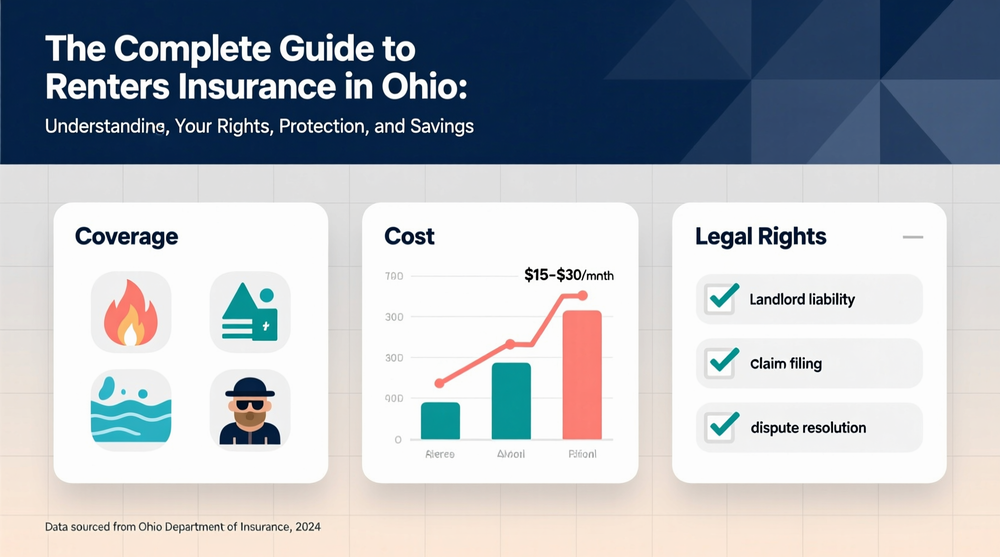

Navigating the world of renters insurance in Ohio is essential for protecting your belongings and financial security while renting. This comprehensive guide details how a standard Ohio renters insurance policy provides crucial protection for your personal property against perils like theft and fire, offers liability coverage if someone is injured in your rental, and covers additional living expenses if your home becomes temporarily uninhabitable. We’ll explore average costs, which can be as affordable as $10-$15 per month in Ohio, discuss common claim scenarios, and explain the legal landscape, including your rights regarding security deposits and landlord entry. Understanding renters insurance in Ohio ensures you can rent with confidence and peace of mind.
Understanding Renters Insurance Coverage in Ohio
A renters insurance policy is a contractual agreement between you and an insurance company designed specifically for tenants. It provides a safety net that your landlord’s property insurance does not. While the landlord’s policy covers the physical building structure, your renters insurance coverage is what protects everything inside your rental unit that you own and your personal financial liability.
The Three Pillars of a Standard Policy
Every renters insurance policy in Ohio is built on three core types of coverage, each serving a distinct and vital purpose.
Personal Property Coverage
This is the most recognizable component of renters insurance. It pays to repair or replace your personal belongings if they are damaged or destroyed by a covered peril, also known as a “named peril.” In Ohio, these typically include fire, theft, vandalism, and damage from events like water overflow or the weight of ice and snow.
Personal Liability Coverage
This coverage is your financial shield against lawsuits and medical bills if you are found legally responsible for injuring someone or damaging their property. Common scenarios include a guest getting injured in your home or you accidentally causing damage to a neighboring unit.
Loss of Use Coverage
If a covered disaster makes your rental uninhabitable, this coverage pays for additional living expenses like hotel stays, restaurant meals, and other costs incurred while your home is being repaired.
Common Ohio-Specific Riders and Endorsements
Because a standard policy has limits, you may need add-ons like Scheduled Personal Property for high-value items, Water Backup Coverage for sewer backups, or Earthquake Coverage, which is excluded from standard policies.
The Cost of Renters Insurance in Ohio
One of the biggest advantages of renters insurance is its affordability. Many Ohio renters are surprised to learn how much protection they can get for a modest monthly premium.
Average Premiums and Influencing Factors
On average, a basic renters insurance cost in Ohio is between $10 and $25 per month, or roughly $120 to $300 annually. Your exact premium is determined by several factors:
| Factor | How It Affects Your Premium | Ohio-Specific Note |
|---|---|---|
| Location | Higher crime or claim rates increase premiums. | Premiums in urban cores like Cleveland may be higher than in suburbs. |
| Coverage Limits | Higher limits mean a higher premium. | Choosing Replacement Cost over Actual Cash Value adds cost but provides better protection. |
| Deductible Amount | A higher deductible lowers your premium. | Select a deductible you can afford to pay out-of-pocket. |
| Credit Score | Better credit can lead to lower rates. | Ohio insurers may use credit history as a rating factor. |
How to Find Affordable Coverage in Ohio
To get the best rate, bundle your policies (like renters and auto insurance), ask about all available discounts, and shop around by getting quotes from at least three different companies.
Ohio Landlord-Tenant Laws and Insurance Requirements
Understanding the legal landscape of renting in Ohio is crucial for knowing your rights and responsibilities regarding insurance.
Can a Landlord Require Renters Insurance in Ohio?
Yes. Ohio law permits landlords to include a clause in the lease requiring tenants to obtain and maintain renters insurance. They can specify minimum coverage amounts and request to be listed as an “additional interested party” for notification purposes.
Key Legal Considerations for Ohio Renters
Familiarize yourself with Ohio laws on security deposits (limited to one month’s rent for unfurnished units), the landlord’s right of entry (typically requiring 24 hours notice), and procedures for requesting repairs.
Filing a Renters Insurance Claim in Ohio: A Step-by-Step Guide
When disaster strikes, knowing how to properly file a claim ensures you get the full benefits you’ve paid for.
1. Immediate Actions After a Loss
Ensure safety, then take steps to prevent further damage. Document everything with photos or videos before cleaning up.
2. Contact Your Insurance Company
Notify your insurer as soon as possible. Have your policy number ready and provide details about the date, time, cause, and extent of the loss.
3. Work with the Adjuster
Cooperate with the insurance adjuster assigned to your claim. Provide all requested documentation honestly and promptly.
4. Understanding Settlement and Payment
Once approved, you’ll receive a settlement. If you have Replacement Cost coverage, you may receive an initial payment for the item’s current value, with the balance paid after you submit a receipt for the new replacement item.
Conclusion
Securing a robust renters insurance in Ohio policy is a fundamental component of financial planning for tenants. For a cost often less than a monthly streaming subscription, you gain essential protection for your belongings, a defense against liability lawsuits, and a plan for temporary housing if disaster strikes. Whether required by your landlord or not, understanding your renters insurance coverage options and securing a policy is one of the smartest investments you can make as an Ohio renter.
Frequently Asked Questions (FAQ)
1. Is renters insurance mandatory in Ohio?
While Ohio state law does not universally mandate it, your individual landlord can legally require it as a condition of your lease. It is highly recommended for all renters regardless.
2. Does renters insurance cover my roommate’s belongings?
No, a standard policy only covers the belongings of the named insured and their resident relatives. Roommates should purchase separate policies.
3. What is the most common mistake Ohio renters make with insurance?
Underestimating the total value of their personal property. Conducting a thorough home inventory is the best way to ensure you have adequate coverage limits.
4. Does my policy cover me if I’m traveling?
Yes, personal property coverage often extends worldwide. This means items like luggage or a laptop may be covered if stolen or damaged while you’re away from home.
5. How does my credit score affect my renters insurance rate in Ohio?
Ohio insurers may use a credit-based insurance score to help determine premiums. Maintaining good credit can help you secure lower rates.
6. What happens if I don’t have insurance and cause a major fire?
You would be personally liable for all damages you are found legally responsible for, which could lead to financial ruin from repair costs, medical bills, and lawsuits.
7. Can I get renters insurance if I have a dog considered a “dangerous breed”?
It can be more challenging. Some insurers may exclude liability coverage for dog bites, charge a higher premium, or require proof of the dog’s training. Always disclose pet ownership to your insurer.