
Understanding Renters Insurance Coverage: What’s Protected and Why It Matters
Navigating the world of insurance as a renter can feel overwhelming, but understanding your renters insurance coverage is a critical step in protecting your finances and personal belongings. Unlike your landlord’s policy, which typically covers only the building itself, a renters insurance policy is designed to protect you—the tenant. It’s a safety net for your personal property, your legal liability, and your ability to afford alternative housing if your home becomes uninhabitable. This guide will demystify the core components of a standard policy, explain common coverage limits and exclusions, and help you determine the appropriate level of protection for your unique situation. We’ll break down the specifics of personal property, liability, and additional living expenses coverage to give you the confidence to make an informed decision about safeguarding your rented home.
What Does Renters Insurance Actually Cover? The Three Pillars of Protection
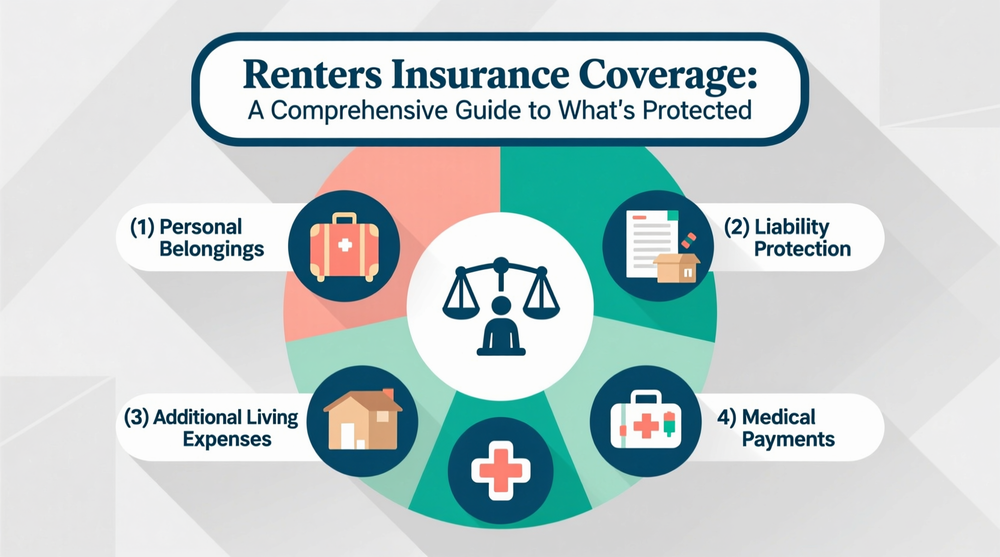
A standard renters insurance policy is built on three fundamental types of renters insurance coverage: personal property, liability, and loss of use. Each serves a distinct and vital purpose in your overall financial security plan as a tenant.
1. Personal Property Coverage
This is the component most people associate with renters insurance. It protects your belongings from named perils like fire, theft, vandalism, windstorm, and water damage (from internal sources like a burst pipe, but typically not flooding). Imagine a kitchen fire damaging your furniture and electronics or a burglary where your laptop and jewelry are stolen—personal property coverage helps you recover the value of those items.
- Actual Cash Value (ACV): Reimburses you for the item’s value minus depreciation. This is the standard, more affordable option.
- Replacement Cost Value (RCV): Pays the amount needed to buy a brand-new equivalent item. This option has a higher premium but offers more comprehensive reimbursement.
2. Personal Liability Coverage
This coverage is often underestimated but is incredibly important. If someone is injured in your rental home, or if you accidentally cause damage to the landlord’s property (like a significant water leak), you could be held legally responsible. Liability coverage helps pay for associated medical bills, legal defense fees, and court-ordered judgments up to your policy’s limit.
3. Loss of Use or Additional Living Expenses (ALE)
If a covered peril, such as a fire, makes your rental unit temporarily uninhabitable, this coverage helps pay for the increased costs of living elsewhere. This can include hotel bills, restaurant meals, pet boarding, and other expenses beyond your normal living costs while your home is being repaired.
Key Exclusions and Limitations in a Standard Renters Insurance Policy
Knowing what your policy does not cover is just as crucial as knowing what it does. Standard renters insurance policies have specific exclusions, and understanding them helps you avoid unexpected gaps in protection.
- Earthquakes and Floods: These are almost always excluded from standard policies. Separate policies or endorsements (add-ons) are required for these perils.
- High-Value Items: There are sub-limits for certain categories of valuable items, such as jewelry, fine art, collectibles, and high-end electronics. For example, your policy may have a $1,500 sub-limit for jewelry theft, regardless of your total personal property limit. You can schedule these items separately for full coverage.
- Business Property: Equipment used for a home-based business (e.g., a professional camera or inventory) typically has limited coverage under a personal policy.
- Intentional Damage or Criminal Acts: Any loss you intentionally cause is not covered.
How Much Renters Insurance Coverage Do You Really Need?
Determining the right amount of renters insurance coverage requires a careful assessment of your assets and potential risks. Underinsuring leaves you vulnerable, while overinsuring means you’re paying for protection you don’t need.
Calculating Personal Property Value
Create a home inventory. Go room-by-room, listing items and their estimated purchase price or current value. Many insurers offer online tools or apps to help with this process. The total is a good starting point for your personal property limit. Remember, it’s better to slightly overestimate than underestimate.
Choosing Liability Limits
Most policies start with $100,000 in liability protection, but financial experts often recommend a minimum of $300,000 to $500,000. Consider your net worth, future income, and the potential cost of a serious lawsuit. The incremental cost for higher limits is usually quite affordable and provides significant peace of mind.
Understanding Deductibles
Your deductible is the amount you pay out-of-pocket before your insurance kicks in. Choosing a higher deductible (e.g., $1,000 instead of $500) will lower your premium, but ensure you can comfortably afford that amount if you need to file a claim.
| Coverage Type | Typical Starting Limit | Scenario | How Coverage Responds |
|---|---|---|---|
| Personal Property | $15,000 – $30,000 | Apartment burglary; TV, laptop, bicycle stolen. | Pays to repair or replace stolen items (after deductible), up to your policy limit and subject to sub-limits for specific items. |
| Personal Liability | $100,000 | A guest slips on a rug, breaks an arm, and sues for medical bills. | Covers guest’s medical expenses and your legal defense costs, up to your liability limit. |
| Loss of Use (ALE) | 20% of Personal Property Limit | A kitchen fire forces you to live in a hotel for 3 weeks. | Reimburses hotel costs, extra food expenses, and other necessary increased living costs. |
| Medical Payments to Others | $1,000 – $5,000 | A friend cuts their hand in your kitchen; they need stitches. | Pays for their minor medical bills regardless of fault, avoiding a potential liability claim. |
Enhancing Your Renters Insurance Policy: Riders and Endorsements
Standard policies can be tailored. If you own expensive jewelry, musical instruments, or specialized sports equipment, consider adding a “scheduled personal property” endorsement. This provides broader protection for specifically listed items, often with no deductible. Other common add-ons include identity theft protection and increased coverage for business property. Discuss your lifestyle and valuable possessions with your insurance agent to identify any necessary endorsements.
Filing a Renters Insurance Claim: What to Expect
In the event of a loss, prompt and proper action is key. First, mitigate further damage if it’s safe to do so (e.g., stopping a leak). Document everything with photos or video. Report the incident to the police if it’s a crime. Notify your landlord and then contact your insurance company to start the claim process. An adjuster will be assigned to assess the damage. Having a prepared home inventory will make this process significantly smoother and faster.
Conclusion: Securing Your Financial Foundation as a Renter
Renters insurance coverage is not just a clause in a lease; it’s a fundamental component of responsible financial planning for anyone who rents their home. For a relatively low monthly cost, it provides a robust defense against unexpected events that could otherwise lead to significant financial hardship. By understanding the three core areas of protection—your belongings, your legal liability, and your living expenses—you can select a policy with appropriate limits and endorsements that match your lifestyle. Remember that coverage details, pricing, and requirements can vary by state, provider, and even the specific rental property. Always review policy documents carefully and ask your insurance representative questions to ensure you have no gaps in your essential renters insurance safety net.
Frequently Asked Questions About Renters Insurance Coverage
Is renters insurance required by law?
While not typically required by state law, most landlords and property management companies now mandate tenants to carry a renters insurance policy as part of the lease agreement. This protects both you and the landlord.
Does renters insurance cover my roommate?
Generally, no. A standard policy covers only the named policyholder and their resident relatives. Roommates need their own separate policies unless you purchase a joint policy, which can complicate claims if relationships change.
Will renters insurance cover my belongings in my car or while I’m traveling?
Yes, most policies offer “off-premises” coverage. This means your personal property is protected against covered perils anywhere in the world, usually up to a percentage (e.g., 10%) of your total personal property limit.
What’s the difference between “peril” and “open peril” coverage?
Standard HO-4 policies for renters are “named peril,” meaning they only cover losses caused by perils explicitly listed in the policy (like fire, theft, vandalism). “Open peril” or “all-risk” coverage (like an HO-5 policy) protects against all risks except those specifically excluded, offering broader protection but at a higher cost.
How does renters insurance interact with my landlord’s policy?
Your landlord’s policy covers the physical structure of the building (roof, walls, built-in appliances). Your renters insurance covers everything inside your unit that you own, your liability, and your additional living expenses. The two policies are complementary and do not overlap.
Can I get renters insurance if I have a dog?
Yes, but it’s crucial to disclose your dog’s breed. Some breeds deemed high-risk may be excluded from liability coverage, or your policy premium may be higher. Some insurers may require a separate animal liability endorsement.
How quickly can I get a renters insurance policy?
You can often purchase a policy online or over the phone in under 30 minutes, with coverage starting as soon as the same day. It’s a quick and straightforward process, especially compared to other types of insurance. For more foundational information, you can explore our detailed guide on renters insurance.